The earliest known personal ornaments
I always knew jewelry predated civilization, but I assumed the earliest examples were perhaps 20,000 years old. I was off by more than a hundred thousand years.
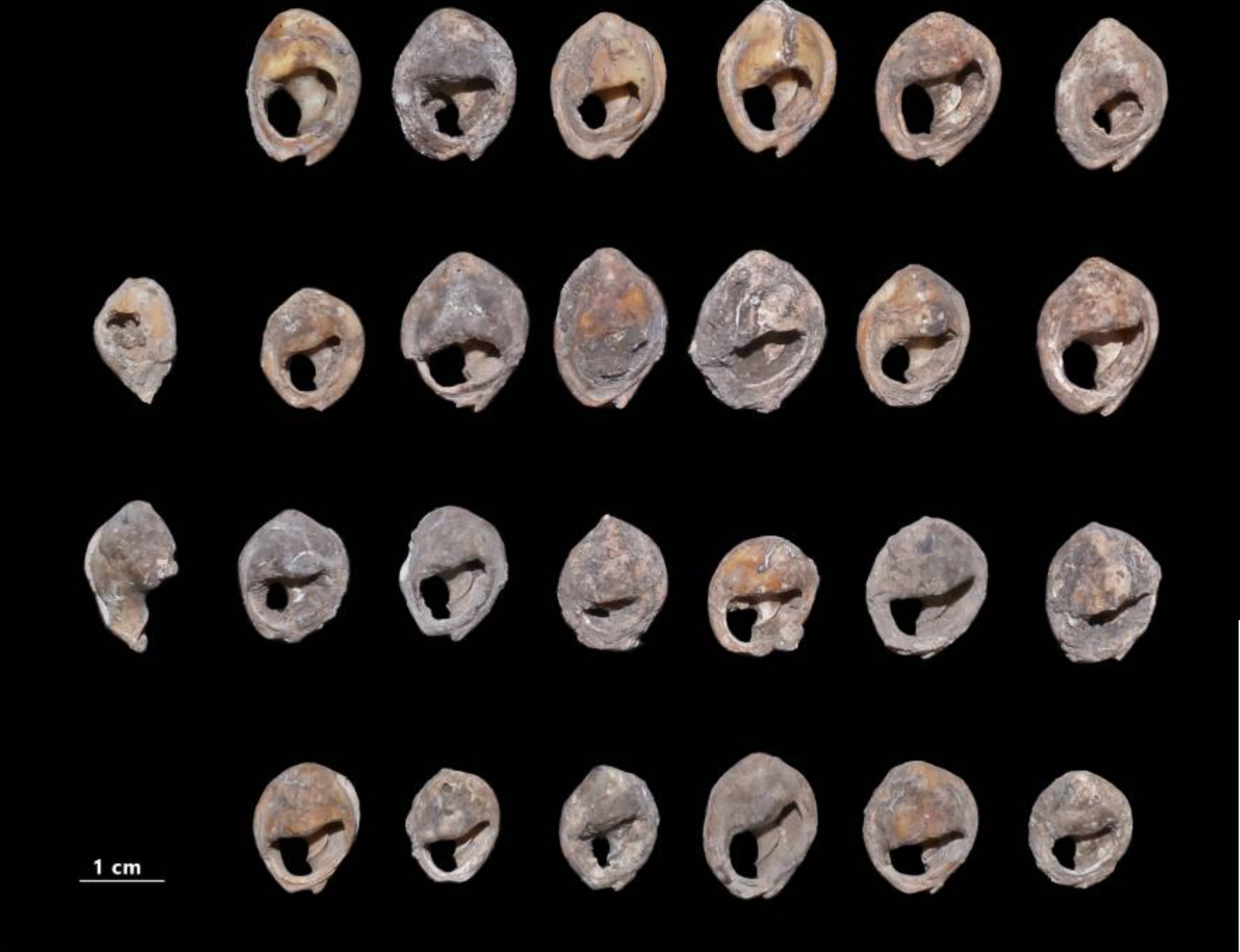
At a site in Morocco, archaeologists uncovered 33 marine shells with holes in them. The wear and polish around the perforations suggested the shells had been strung on a cord and worn. They were at least 142,000 years old!
That's the Middle Stone Age, during the last Ice Age, when mammoths and mastodons still roamed the Earth.
The fact that humans have been attaching beautiful objects to their bodies for at least 142,000 years suggests that jewelry is something more fundamental than mere decoration. Adornment blurs the boundary between art and the body. It can communicate identity, signal belonging, mark transformation, or preserve a connection to a person, memory, or place.
A hundred thousand years ago, saber tooth cats may have been lurking nearby, but humans still needed to seek out beauty, preserve it, and carry it with them.
An instinct shared with other animals
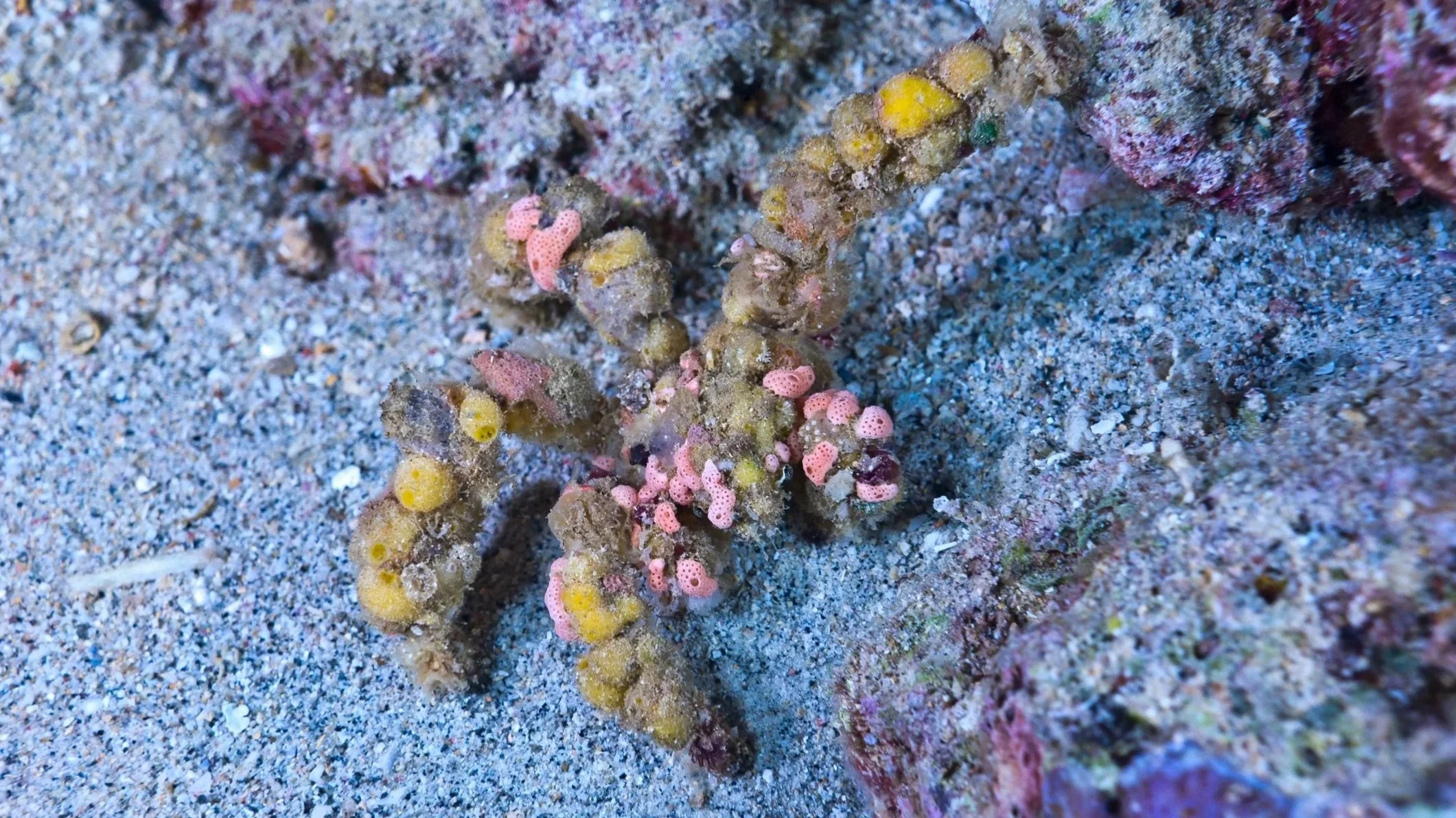
Humans aren't the only animals that collect interesting objects to decorate themselves or their homes. In many species, this behavior serves a practical purpose: camouflage, defense, or attracting a mate. More than 900 species of decorator crabs attach bits of coral, sponges, anemones, and seaweed to their shells. After molting, some even remove these decorations and attach them to their new shells.
Bower Birds
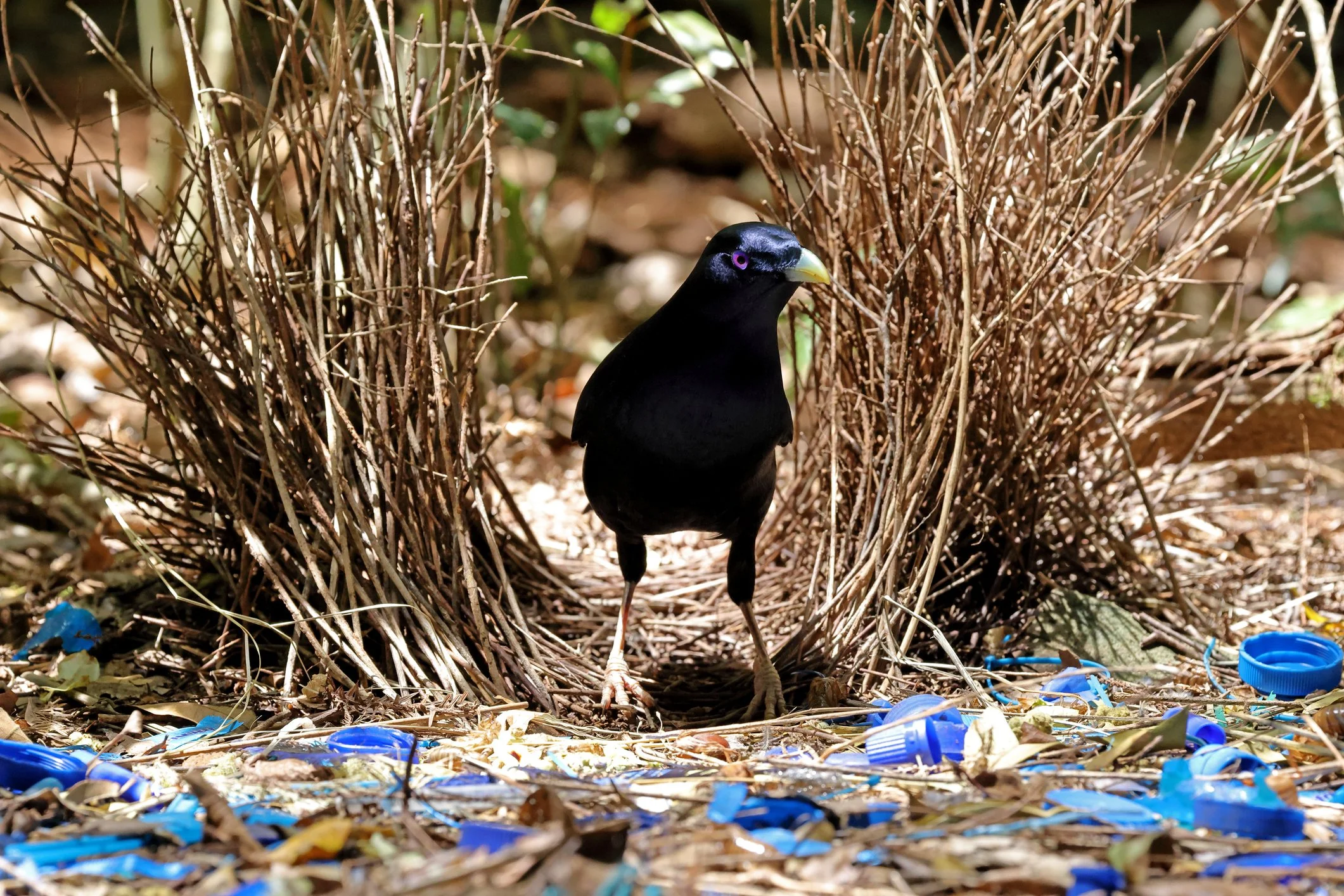
Bowerbirds have a different aesthetic. Males of several species collect and arrange objects around their elaborate courtship structures, often showing a striking preference for particular colors. Some favor blue, carefully gathering blue flowers, feathers, berries, and even discarded human objects to attract a female.
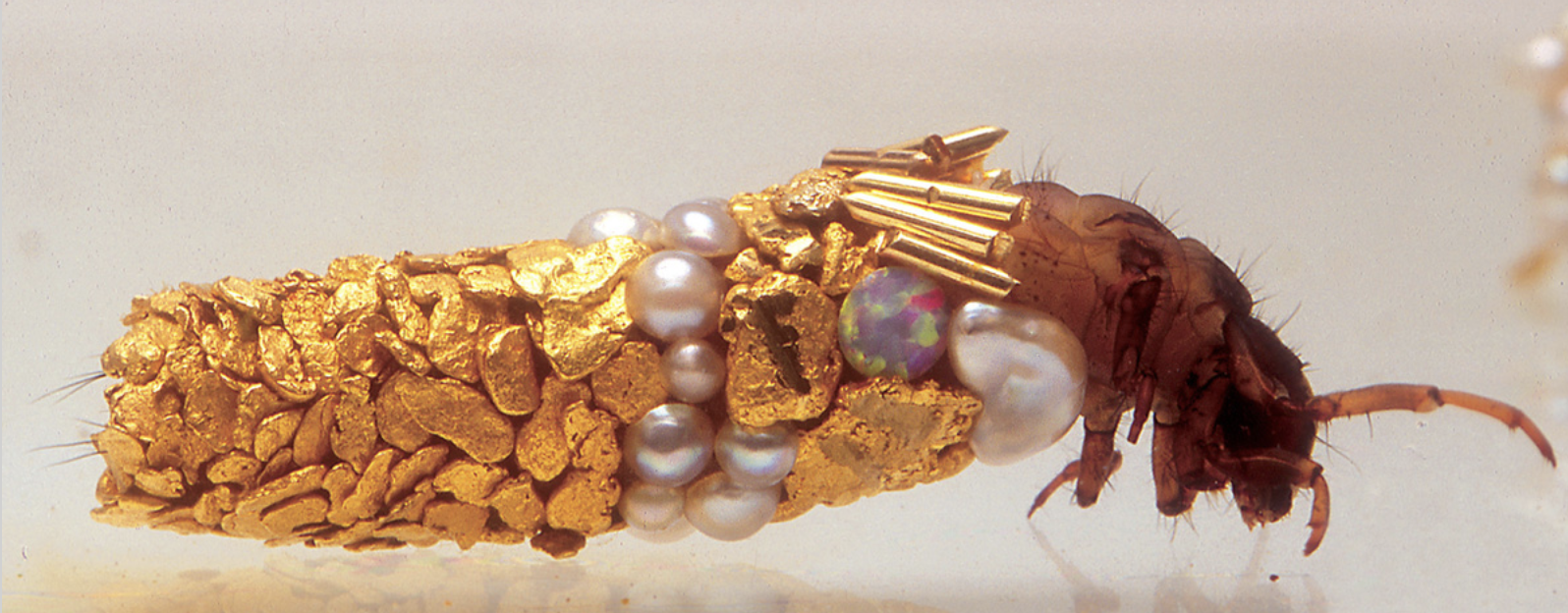
The line between decoration and necessity gets even more interesting in the work of French artist Hubert Duprat. He enlisted caddisfly larvae to make tiny jeweled structures, exploiting their natural building behavior. Caddisfly larvae normally construct protective cases from materials gathered in their environment. Duprat placed them in a controlled setting and supplied gold, precious stones, and pearls instead. The larvae incorporated these materials into their silk structures, turning an ordinary survival strategy into something extraordinary.
Why beauty matters
Perhaps our attraction to beauty is not a luxury, but an expression of something deeply rooted in us. Beauty can signal health, attract connection, communicate belonging, and give meaning to the objects we carry. It draws our attention beyond the immediate demands of survival and toward the things that make life worth living.
And perhaps that's what I'm doing when I cast a sage leaf in silver: taking something fleeting from the natural world and giving it a place in our lives that will outlast the season.